













JCB
Founded in the UK in 1945, JCB (J.C. Bamford Excavators Ltd.) is a global leader in construction and agricultural machinery, operating in over 150 countries worldwide.
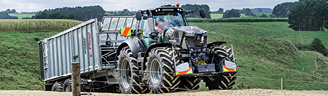
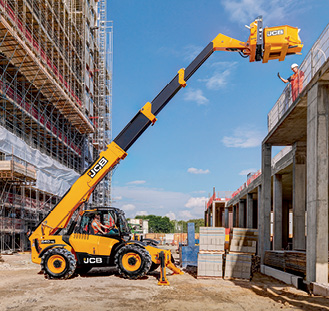
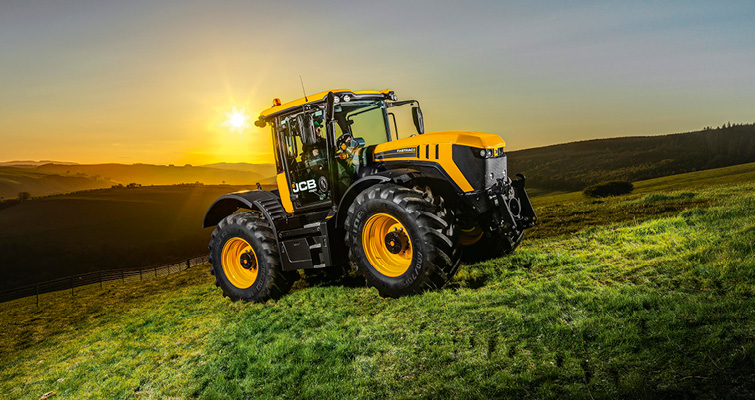
JCB revolutionised the industry with the invention of the backhoe loader and today offers a full construction range including excavators, loaders, telehandlers, and compact machinery. Its Agri range features the iconic JCB Fastrac tractors and Loadall telehandlers, trusted by farmers for performance, comfort, and productivity.

The Home of JCB New Zealand
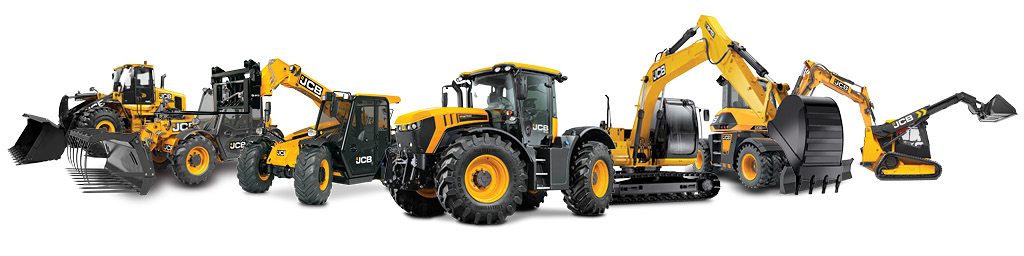
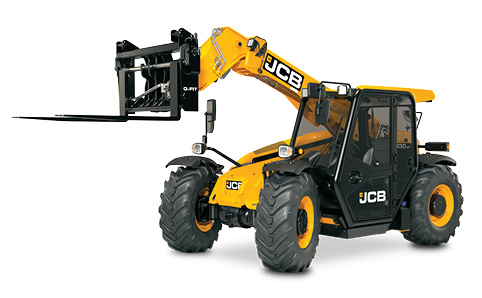
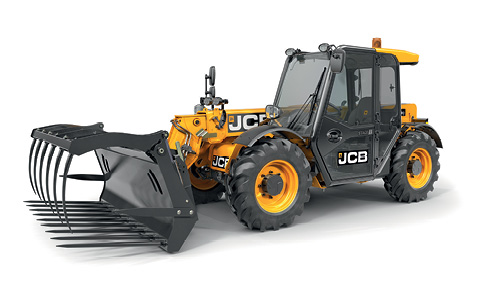
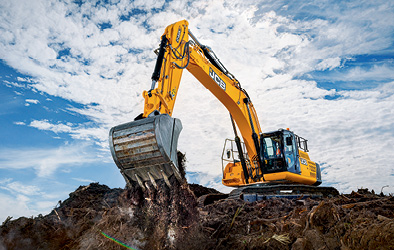
View our full range of JCB
Check out our complete range of agri and construction gear.
Histroy of JCB
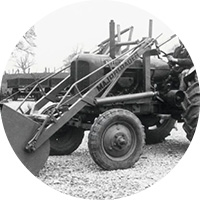
1940s: Joseph Cyril Bamford began the business that bears his initials using surplus World War II parts and scrap metals. The JCB all-steel tipping trailer was made with wheels and tyres from a Grumman Hellcat fighter aircraft and hubs from a small howitzer. In a little less than three years since JCB started, Joseph Bamford launches the Major Loader. Engineered for versatility, it is Europe's first industrial front-end loader.
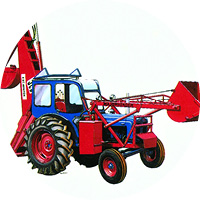
1950s: Attaching a prototype excavator with hydraulic rams to the back of a front-loader, Mr Bamford invents the world's first backhoe loader, the MK 1 Excavator. The revolutionary design brings hydraulic power to construction and shapes the industry's future.
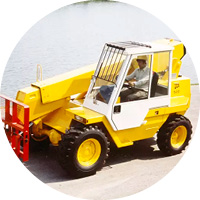
1970s: The JCB 520 telescopic handler was launched in a blaze of publicity, created out of some blue-sky thinking by JCB's production team. It was a pioneering concept and proved to be very successful, leading to the modern range of JCB Loadalls - still one of JCB's most successful product lines.
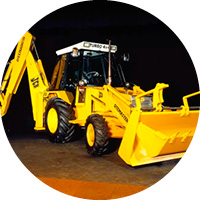
1980s: Product innovation continued to be the lifeblood of the company and in 1985 the 3CX Sitemaster backhoe loader was launched and went on to be JCB's biggest-ever selling backhoe. It's also the year JCB celebrated the production of its 100,000th backhoe.
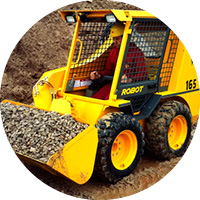
1990s: Once again, JCB transforms the industry. This time by designing the JCB 165 Robot, the world's safest skid steer loader. Thanks to its patented single powerboom loader design and side entry cab, the 165 Robot, and our existing skid steer range today, has easier, safer access and greater visibility.
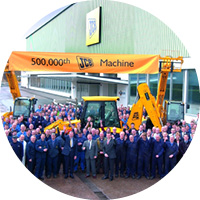
2000s: In 2004 employees gathered at World HQ for a commemorative photo to mark the production of the 500,000th machine. It had taken just short of 60 years to reach that milestone. The next half million machines would be produced in the next nine years.
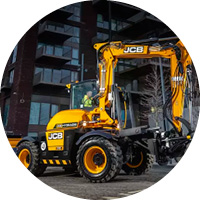
2010s: Lord Bamford envisioned the JCB Hydradig 110W as an innovative solution to five key challenges in construction. Beginning from scratch, JCB engineers designed the Hydradig to be first for visibility, stability, manoeuvrability, mobility and serviceability. With innovation at its heart, the JCB Hydradig 110W is the first true wheeled excavator, ready to transform the industry.
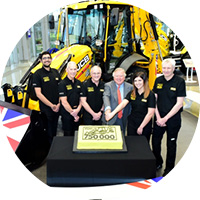
2020s: In March 2020, JCB marked production of the 750,000th backhoe loader. With lots of new and innovative features, it sets new industry standards for ease of use, comfort and efficiency. With a striking new design and a whole host of new features, the world's best selling backhoe just got even better.
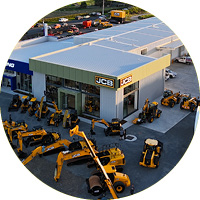
2023: JCB Construction and Power Farming join forces, to bring the best parts and service to the construction industry.
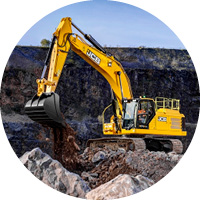
2024: JCB unveils the all-new 370X tracked excavator, a powerhouse designed for the toughest projects. With exceptional safety features, a comfortable operator cabin, and innovative JCB UX software, this 35-40 tonne machine sets a new standard in efficiency and reliability, ensuring reduced ownership costs and maximised productivity on any job site.
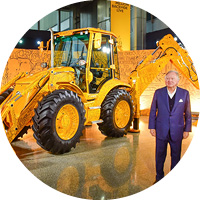
2025: JCB celebrates the production of its one millionth Backhoe Loader, a journey that began in 1953. From humble beginnings, JCB now produces around 500 Backhoes daily, making it a global leader. The milestone was marked with a special event featuring a cavalcade of historic models and a commemorative 4CX decorated by artist Hatch.
Supported by Power Farming